What is the money in Morocco? Cash, cards and tipping
What is the money in Morocco? The dirham explained: where to change it, ATMs, when cards work, cash for souks and taxis, and how tipping works on tours.
The money in Morocco is the Moroccan dirham. Its code is MAD, and on menus, price tags and taxi meters you will see it written as DH or Dh. One dirham is split into 100 centimes.
That is the short answer. The practical part is how to get dirhams, when you need cash, and what to do about tipping on a tour.
The dirham: notes and coins
You will mostly handle notes of 20, 50, 100 and 200 dirhams, plus coins of 1, 2, 5 and 10 dirhams. Smaller centime coins exist but you rarely need them.
Keep a stock of small notes and coins. Taxi drivers, café owners and market stalls often can’t break a 200 DH note, especially in the morning.
One thing that confuses visitors: in markets and among older Moroccans, you will sometimes hear prices in “rials” or “francs”, old units still used in speech. If a price sounds far too high, ask “dirham?” and the seller will give it to you in dirhams.
A closed currency
The dirham is a closed currency. In practice that means:
- You generally can’t buy it at home before you travel.
- There are rules on how much you can bring in or take out, so don’t plan to leave with a pile of dirhams.
- The rate is set within Morocco and moves over time. Check a current rate before you go instead of relying on a figure from a guidebook or blog.
So the normal plan is to arrive with euros, pounds or dollars, or a debit card, and get dirhams once you land.
Where to change money
- At the airport. There are exchange desks and ATMs in the arrivals area. Useful for enough cash to get started.
- At banks and licensed bureaux de change in town. These are common in Marrakech, Agadir and Fes, and are the normal way to change cash.
- At your hotel. Convenient, though not always the best rate.
Don’t change money with people on the street. And keep your exchange receipts: you may need them if you want to change leftover dirhams back before you leave.
Bring clean notes. Torn or heavily marked notes can be refused.
ATMs
ATMs are easy to find in the cities and tourist towns, in banks, at the airport and in shopping areas. They are much rarer in small villages and in the mountains, so take out cash before a day trip.
Your own bank may charge a fee for foreign withdrawals, and the machine may add one too. Taking out larger amounts less often keeps fees down, as long as you are comfortable carrying the cash. Tell your bank you are travelling so your card isn’t blocked.
Cards: where they work
Card payments are common in:
- Hotels and riads (ask when you book, as some smaller riads prefer cash).
- Supermarkets and shopping centres.
- Many mid-range and upmarket restaurants.
- Larger shops and some fixed-price craft shops.
Expect to pay cash in:
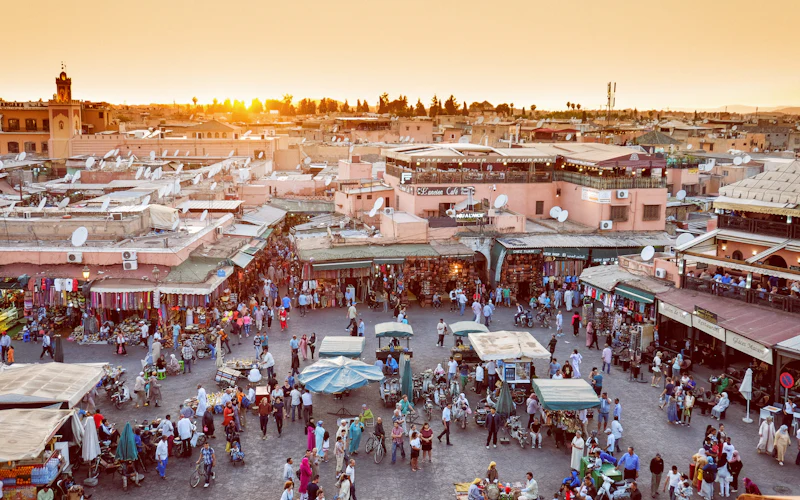
- The souks and medina stalls.
- Petit taxis and most local transport.
- Small cafés, snack bars and juice stands.
- Markets like Souk El Had in Agadir.
- Villages and rural stops on day trips.
A good habit is to carry enough cash for the day and keep the card for bigger payments.
Paying for your tour
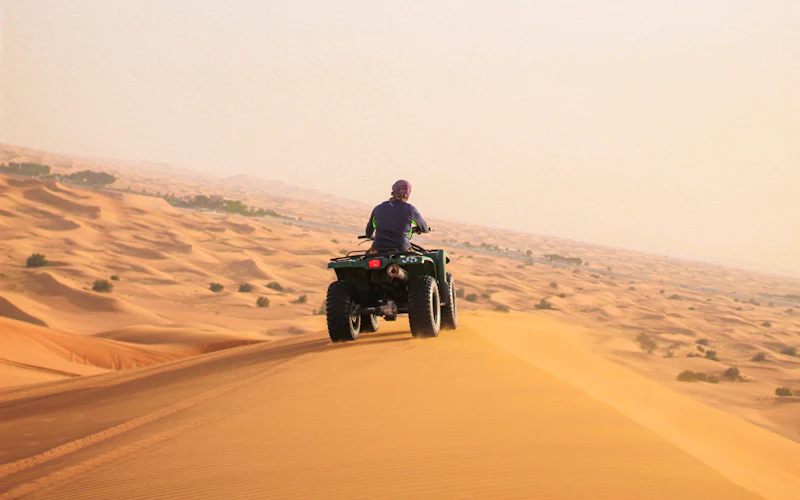
On Travelin.ma, tour prices are shown in euros, with the dirham price next to them when we have it. For example, the 300cc quad on our quad or buggy excursion near Agadir is 42 € (420 DH) per vehicle. Shared tours in Agadir are priced per person, private tours per vehicle, and private Fes day trips per group. Marrakech tours are private and priced on request.
The price and how to pay are confirmed with you when we confirm your booking. Check what is included on each tour page: the Agadir city tour, for instance, includes hotel pickup and the driver, while food and drinks are extra, and on the private version so is the cable car ticket.
Tipping on tours
Tipping is part of daily life in Morocco, but it is a thank-you, not a fee. On our tours, tips are not included in the price and nobody should ever ask you for one as if it were compulsory.
How it usually works on a tour:
- Driver or guide: if you had a good day, a tip at the end is appreciated. Many travellers put it in an envelope or simply hand it over when they say goodbye. On a private tour, one tip from the group is normal.
- Camel handlers and quad guides on activities: same idea, if you are happy with them.
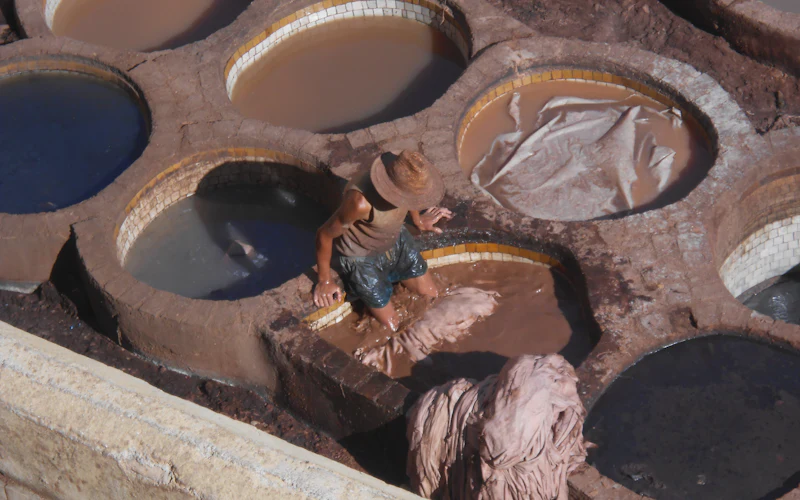
- Local guides in a medina, for example on our Marrakech medina guided walk or Fes medina guided tour: a tip at the end if the guide did a good job.
There is no fixed amount. Give what feels right for the length of the trip and the service, and give it in dirhams. Foreign coins are hard for people to change.
Outside tours, people often round up in cafés, leave a little at restaurants, and give small coins to the attendants who watch parked cars or look after public toilets. Keep a few coins handy for these.
Haggling and prices in the souks
In the souks most prices are not fixed, and bargaining is expected. Start by asking the price, offer less, and meet somewhere in the middle. Stay friendly and don’t name a price you are not prepared to pay. If you would rather not haggle at all, supermarkets and fixed-price shops have marked prices.
Petit taxis in the cities should use the meter. If the driver says it is broken, agree the fare before you get in.
A simple money plan
- Bring a debit card and a credit card, plus some cash in euros or pounds as a backup.
- Withdraw or change enough at the airport for the first day or two.
- Keep small notes and coins for taxis, cafés and tips.
- Use cards for hotels and bigger bills.
- Keep exchange receipts and spend or change your last dirhams before you fly.
Before your trip, check what is and isn’t included on your tour page, then plan a little cash for lunch, entrance fees and tips.
Frequently asked questions
What is the currency in Morocco?
The Moroccan dirham, code MAD, usually written DH or Dh on price tags. One dirham is divided into 100 centimes.
Can I get Moroccan dirhams before I travel?
Usually not. The dirham is a closed currency, so it is generally not sold abroad and there are limits on taking it in or out of Morocco. Most people change money or use an ATM when they arrive.
Are cards accepted in Morocco?
In hotels, supermarkets, many restaurants and larger shops, yes. In the souks, small cafés, taxis and markets, expect to pay cash. Carry some dirhams every day.
Do I have to tip on tours in Morocco?
No. Tips are not included in our tour prices and they are never compulsory. If you are happy with your driver or guide, a tip at the end of the day is appreciated, and the amount is up to you.
Can I pay in euros in Morocco?
Some tourist businesses accept euros, but day to day you pay in dirhams, and you usually get a better deal that way. Change your money or withdraw cash rather than relying on euros.